New or remanufactured engines, gearboxes, suspension parts, lamps, electronics and motorcycle components collected from several suppliers.
International Freight
Ocean FreightAir FreightFCL & LCL ShippingSamples & Small ShipmentsInternational ExpressChina Origin Services
Factory PickupSupplier CoordinationWarehouse ConsolidationCargo MeasurementExport Packing & CratingDestination Services
Export Customs DeclarationImport Customs ClearanceDDP Door-to-Door ShippingLast-mile DeliveryRequest a Freight Quote
AUTOMOTIVE PARTS LOGISTICS
Identify fluids, batteries, airbags and heavy parts before they enter a mixed automotive shipment.
Auto parts are not automatically general cargo. Engines may contain residue, shocks may be pressurised, airbags are controlled items and batteries have dedicated transport rules. Even ordinary metal parts need rust and movement protection.
WHO THIS IS FOR
A solution built around the cargo, not a generic rate card.
For repair networks, parts distributors, vehicle projects and online sellers importing legitimate automotive and motorcycle components from China.
01Body and suspension parts02Engine and drivetrain components03Lighting and electronic modules04Motorcycle parts and accessories
TYPICAL AUTOMOTIVE PARTS BUILD
Dense metal parts must be immobilised; batteries, airbags and fluid residue must be identified before consolidation.
A mixed parts order can include ordinary body components, oily engines or gearboxes, pressurised parts, electronic modules and batteries. The warehouse must separate these risks before building the final pallet or crate.
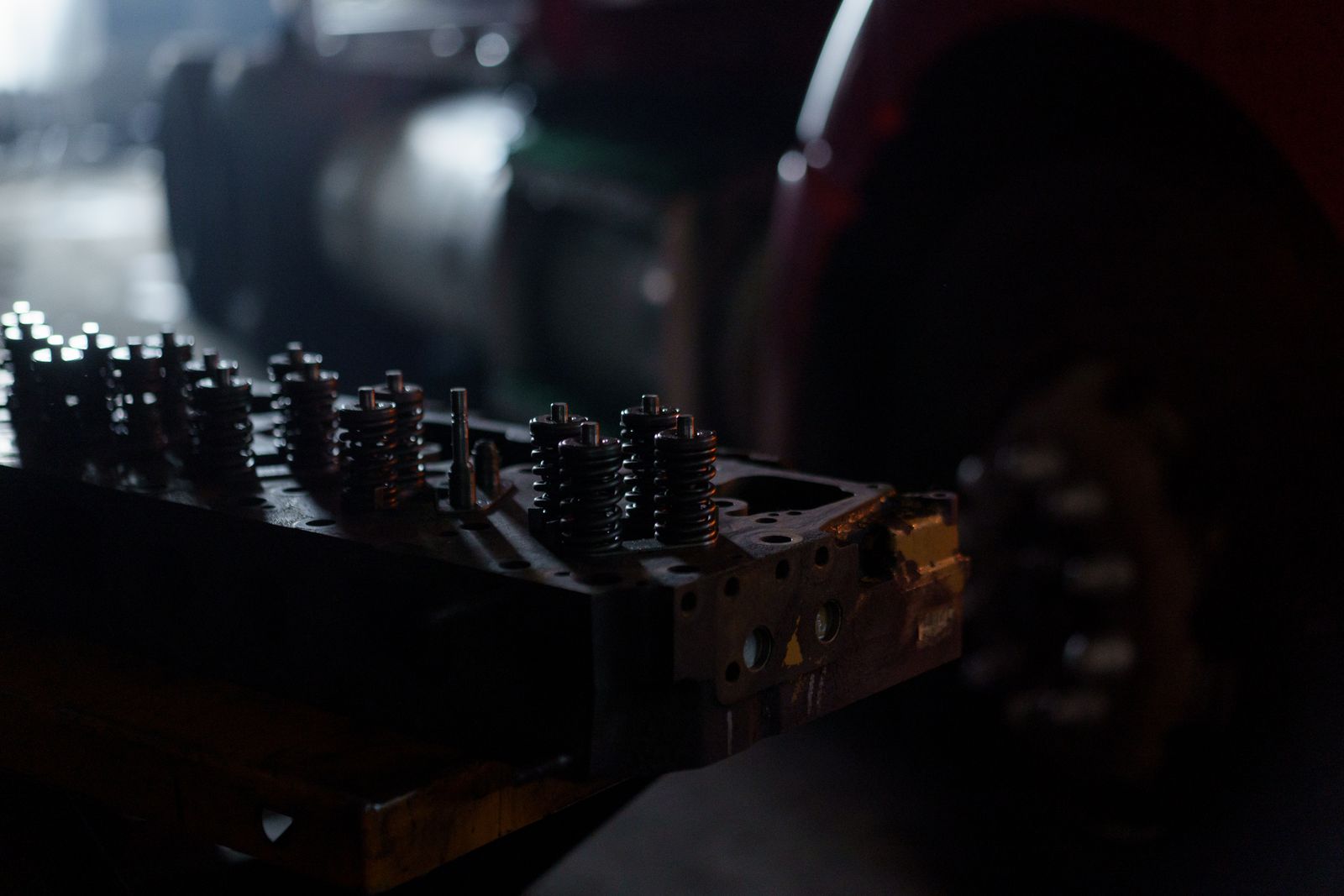
 REAL CARGO + INDUSTRY CONTEXT
Residual oil or fuel, unprotected machined surfaces, dense parts moving inside weak crates, mislabeled part numbers and undeclared airbags or batteries are common failure points.
Drain and document residues where required, cap openings, apply rust protection, bolt or band heavy units to a load-bearing pallet, block all movement and keep straps away from finished or machined surfaces.
Split airbags, batteries and other controlled items for dedicated review. Use air for urgent compliant parts and ocean LCL or FCL for dense, properly crated wholesale loads.
Confirm pallet weight, forklift access, liftgate need and whether the consignee can safely unload engines, axles or other concentrated loads.
WHAT MAKES THIS CARGO DIFFERENT
The risks to resolve before pickup.
Residue and pressure are easy to miss
Used or tested parts may retain oil, fuel or coolant; some components contain gas or pressure. Condition must be disclosed.
Airbags and batteries need separate review
They cannot be hidden inside a broad parts description and may require specialist handling or an alternative plan.
Dense parts destroy weak crates
Engines, axles and metal assemblies need blocked, braced and liftable export packing.
WWJ PLANNING METHOD
How the shipment should be built.
The exact carrier, service and customs scope are confirmed only after the real product, packing and destination are reviewed.
Build a part-level cargo list
Use part names, numbers, condition, materials and any fluid, gas or battery content.
Drain, clean and document where required
The supplier prepares residue-sensitive parts to the route and destination requirements.
Block and brace heavy components
Use strong pallets or crates with clear lifting and centre-of-gravity awareness.
Plan customs and final delivery
Confirm whether the consignee can unload heavy crates and whether additional vehicle information is needed.
TRANSPORT FIT
Compare routes after the cargo is classified.
ModeBest fitWatch carefully
Air freightUrgent compact compliant replacement partsResidue, pressure, batteries and value
Ocean LCLCrated parts and smaller wholesale ordersMinimum charges and heavy-item handling
Ocean FCLLarge mixed-parts programmes and assembliesWeight distribution and securement
PACKING
Protect the freight.
- Block and brace dense parts so they cannot move inside the crate.
- Protect machined surfaces from rust, impact and strap contact.
- Mark gross weight, lifting points and part references clearly.
DOCUMENTS
Make the cargo clear.
- Part-level description and condition
- Fluid, gas, battery or airbag declaration
- Destination import eligibility confirmed by the importer or broker
FIRST QUOTE
Send these details.
- Part names and numbers
- New, used, tested or remanufactured condition
- Fluid, gas, battery or airbag content
- Packed dimensions, weight and lifting points
- Destination unloading capability
COMMON QUESTIONS
Questions buyers ask before this cargo moves.
Can engines ship with oil inside?
The condition and route must be reviewed. Residual fluids can change carrier acceptance and packing requirements; do not assume a tested engine is dry.
Can airbags be included in a normal parts shipment?
Airbags require specific classification and handling and should never be hidden under a general parts description.
How should heavy parts be packed?
They typically need a strong pallet or crate, blocking and bracing, corrosion protection, clear weight marks and safe forklift or crane access.
REVIEW THE REAL CARGO
Send the product and packing details before choosing the route.
A product photo, supplier document or preliminary packing list is enough to start. Final acceptance and cost depend on the verified cargo and destination.
Request a cargo review