Smart-home devices, audio products, cameras, small appliances, computer peripherals and electronic components from one or several suppliers.
International Freight
Ocean FreightAir FreightFCL & LCL ShippingSamples & Small ShipmentsInternational ExpressChina Origin Services
Factory PickupSupplier CoordinationWarehouse ConsolidationCargo MeasurementExport Packing & CratingDestination Services
Export Customs DeclarationImport Customs ClearanceDDP Door-to-Door ShippingLast-mile DeliveryRequest a Freight Quote
ELECTRONICS LOGISTICS
Ship electronics from China with the battery, product and packing details checked first.
Electronics can look like ordinary cartons while containing lithium cells, magnets, radio modules or high-value components that change the route. WWJ reviews the actual model and packing configuration before choosing a transport plan.
WHO THIS IS FOR
A solution built around the cargo, not a generic rate card.
For importers, private-label brands and distributors buying smart-home devices, audio products, small appliances, computer accessories and electronic components from one or several Chinese factories.
01Smart-home hubs and sensors02Speakers, cameras and audio devices03Computer peripherals and components04Small electronic appliances
TYPICAL ELECTRONICS CARGO BUILD
One electronics order may contain ordinary accessories, magnets, radio modules and several battery configurations.
Mixed electronics are reviewed at model level before the cartons are consolidated. The aim is to keep high-value units traceable, remove avoidable volume and prevent a restricted SKU from holding the entire shipment.
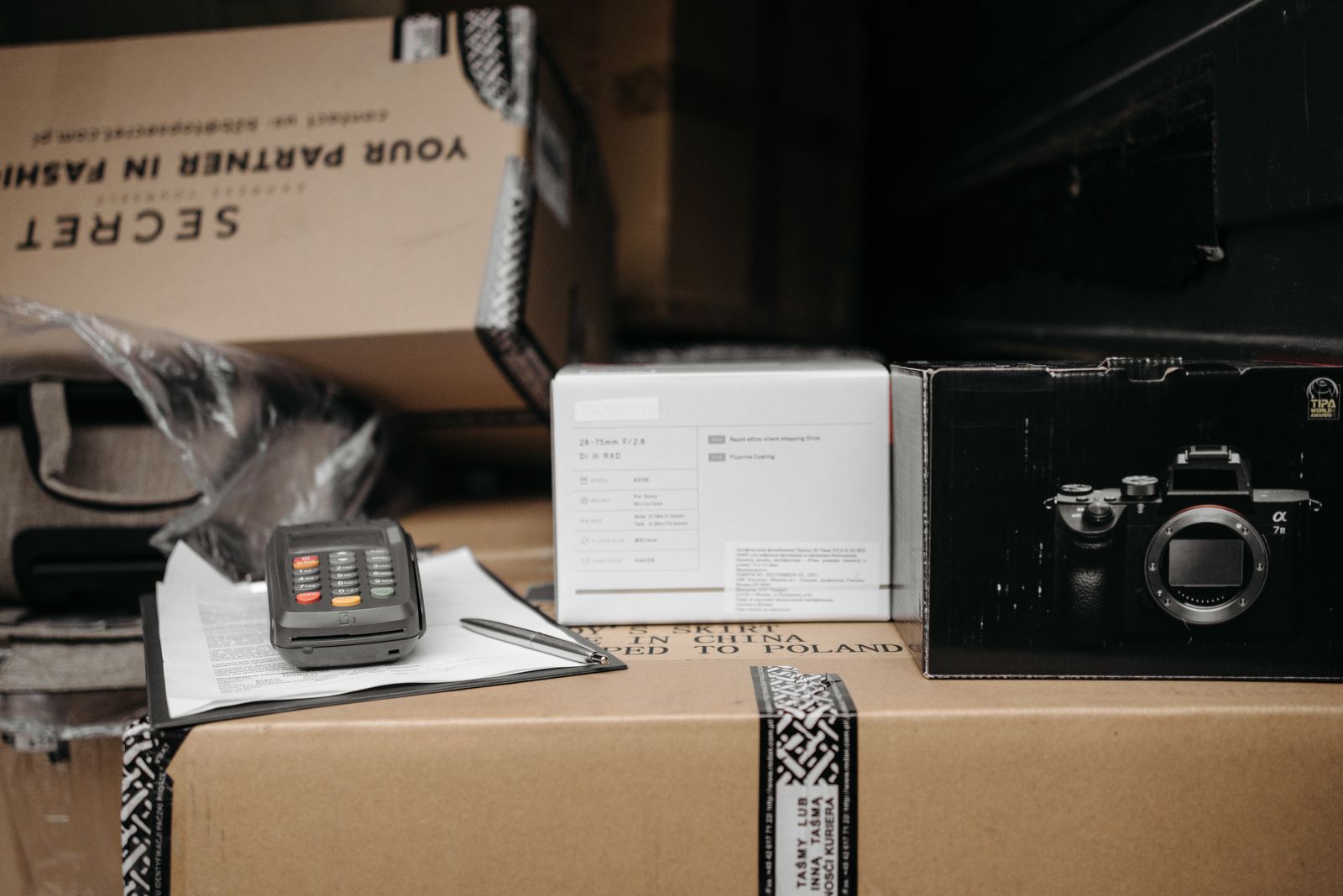
 REAL CARGO + INDUSTRY CONTEXT
Generic accessory descriptions, hidden lithium cells or magnets, weak retail cartons, uncontrolled moisture and no serial or model map are common causes of delay and damage.
Separate passive, magnetic and battery-powered SKUs; use ESD or moisture protection where the product requires it; restrain movement inside master cartons and palletise high-value mixed loads with identifiable carton marks.
Use air for urgent accepted high-value units and ocean consolidation for larger mixed inventory. Split incompatible battery or magnetic cargo when that produces a cleaner accepted route.
Match model, quantity, serial or batch records and carton labels to the importer’s broker and receiving requirements before export.
WHAT MAKES THIS CARGO DIFFERENT
The risks to resolve before pickup.
Battery configuration changes the route
A battery packed inside equipment, packed beside equipment or shipped alone can fall under different transport requirements. Cell chemistry, watt-hours and packing quantity must be confirmed.
Model names are not enough
The same product family may have battery and non-battery versions, Wi-Fi modules, magnets or liquids. The freight review should use the exact model, specification sheet and final packing list.
High value needs controlled handling
Inner protection, carton strength, pallet choice, sealing and shipment-value disclosure matter more than decorative retail packaging.
WWJ PLANNING METHOD
How the shipment should be built.
The exact carrier, service and customs scope are confirmed only after the real product, packing and destination are reviewed.
Identify the exact product
Collect model numbers, product photos, battery details and supplier documentation before quoting.
Review export packing
Check anti-static protection, inner movement, carton strength, moisture protection and pallet stability.
Match the compliant route
Compare suitable express, air or ocean options only after the cargo classification and documents are clear.
Protect destination delivery
Confirm value, customs scope, delivery access and whether the consignee can receive palletised or high-value cargo.
TRANSPORT FIT
Compare routes after the cargo is classified.
ModeBest fitWatch carefully
Air freightUrgent, compact and higher-value compliant electronicsBattery acceptance, chargeable weight and airport handling
Ocean LCLCartons or pallets without a full-container volumeMoisture, multiple handovers and destination LCL charges
Ocean FCLRepeat wholesale orders and larger mixed-SKU loadsContainer loading, cargo value and humidity control
PACKING
Protect the freight.
- Prevent movement inside retail and master cartons; do not rely on shelf-ready packaging as export protection.
- Use anti-static and moisture protection where the product or component requires it.
- Keep battery marks, model labels and carton counts consistent with the transport documents.
DOCUMENTS
Make the cargo clear.
- Commercial invoice and packing list with accurate model descriptions
- Battery specification, UN38.3 test summary and SDS/MSDS where applicable
- Destination-market product documentation requested by the importer or broker
FIRST QUOTE
Send these details.
- Exact product and model
- Battery type, quantity and watt-hours
- Carton count, dimensions and gross weight
- Cargo value and destination postal code
- Supplier battery and product documents
COMMON QUESTIONS
Questions buyers ask before this cargo moves.
Can electronics with lithium batteries ship by air?
Some configurations can, but acceptance depends on the cell or battery type, watt-hours, packing method, quantity, documents, airline and route. The exact model must be reviewed before booking.
Is the factory carton usually enough?
Not always. Retail cartons may protect presentation rather than repeated freight handling. Export cartons, internal restraint, palletisation or moisture protection may still be needed.
Can several electronics suppliers be consolidated?
Yes, after each product is identified and the combined shipment is checked for compatible transport and documentation requirements.
REVIEW THE REAL CARGO
Send the product and packing details before choosing the route.
A product photo, supplier document or preliminary packing list is enough to start. Final acceptance and cost depend on the verified cargo and destination.
Request a cargo review