Small or large appliances, storage products, glassware, ceramics, kitchenware and household accessories from several suppliers.
International Freight
Ocean FreightAir FreightFCL & LCL ShippingSamples & Small ShipmentsInternational ExpressChina Origin Services
Factory PickupSupplier CoordinationWarehouse ConsolidationCargo MeasurementExport Packing & CratingDestination Services
Export Customs DeclarationImport Customs ClearanceDDP Door-to-Door ShippingLast-mile DeliveryRequest a Freight Quote
HOUSEHOLD APPLIANCE & HOME-LIVING LOGISTICS
Consolidate household appliances and home-living products without letting dense, fragile and bulky cartons damage each other.
A home-living order may combine small or large appliances, glass, ceramics, cookware, storage products and household accessories. The safest plan separates powered, fragile, dense and bulky cargo before the warehouse builds the final load.
WHO THIS IS FOR
A solution built around the cargo, not a generic rate card.
For home retailers, e-commerce sellers and importers buying appliances, kitchenware, storage and mixed home-living products from several Chinese suppliers.
01Small and large home appliances02Kitchenware, glassware and ceramics03Storage and organisation products04Household accessories and cleaning tools
TYPICAL HOUSEHOLD APPLIANCE & HOME-LIVING BUILD
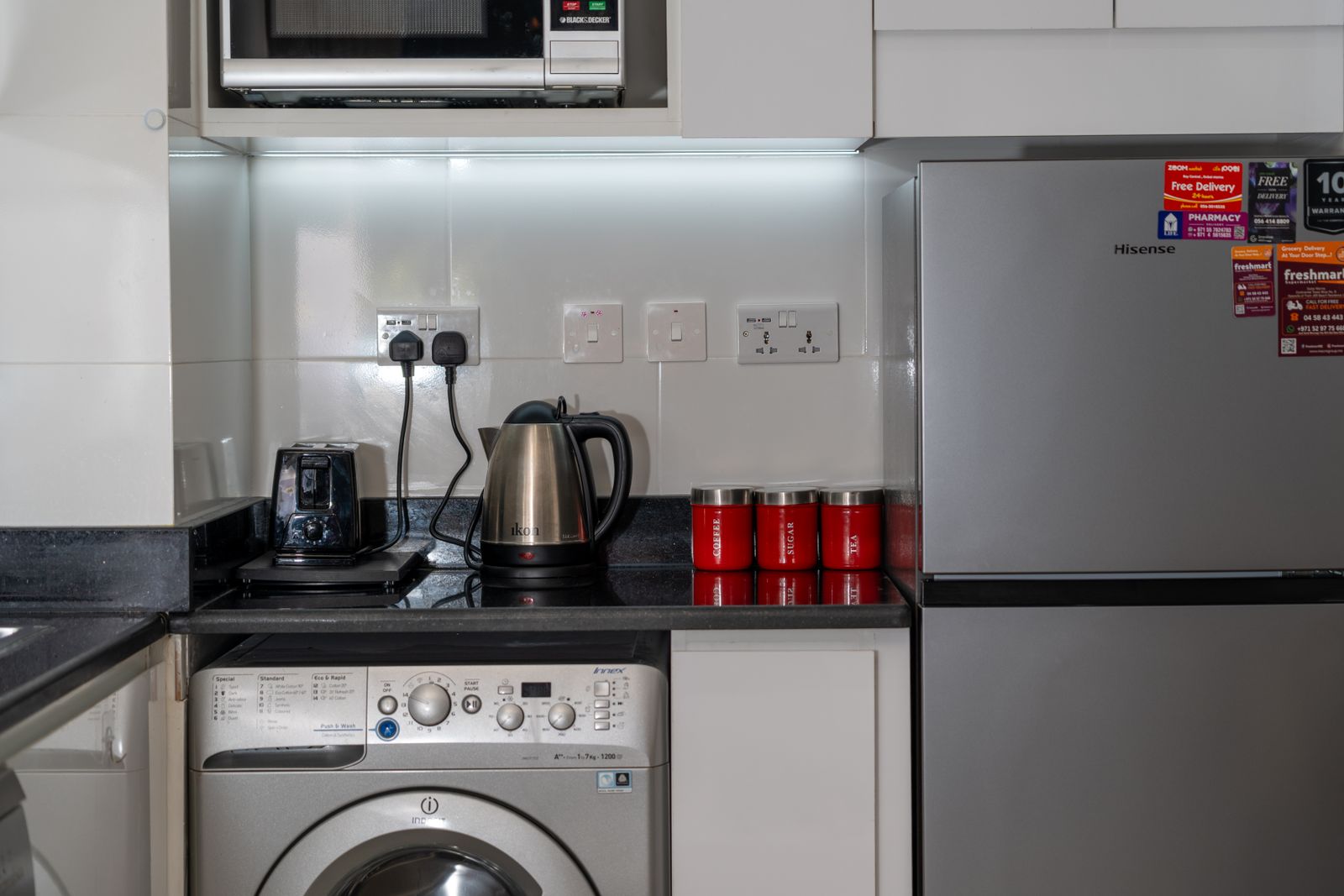
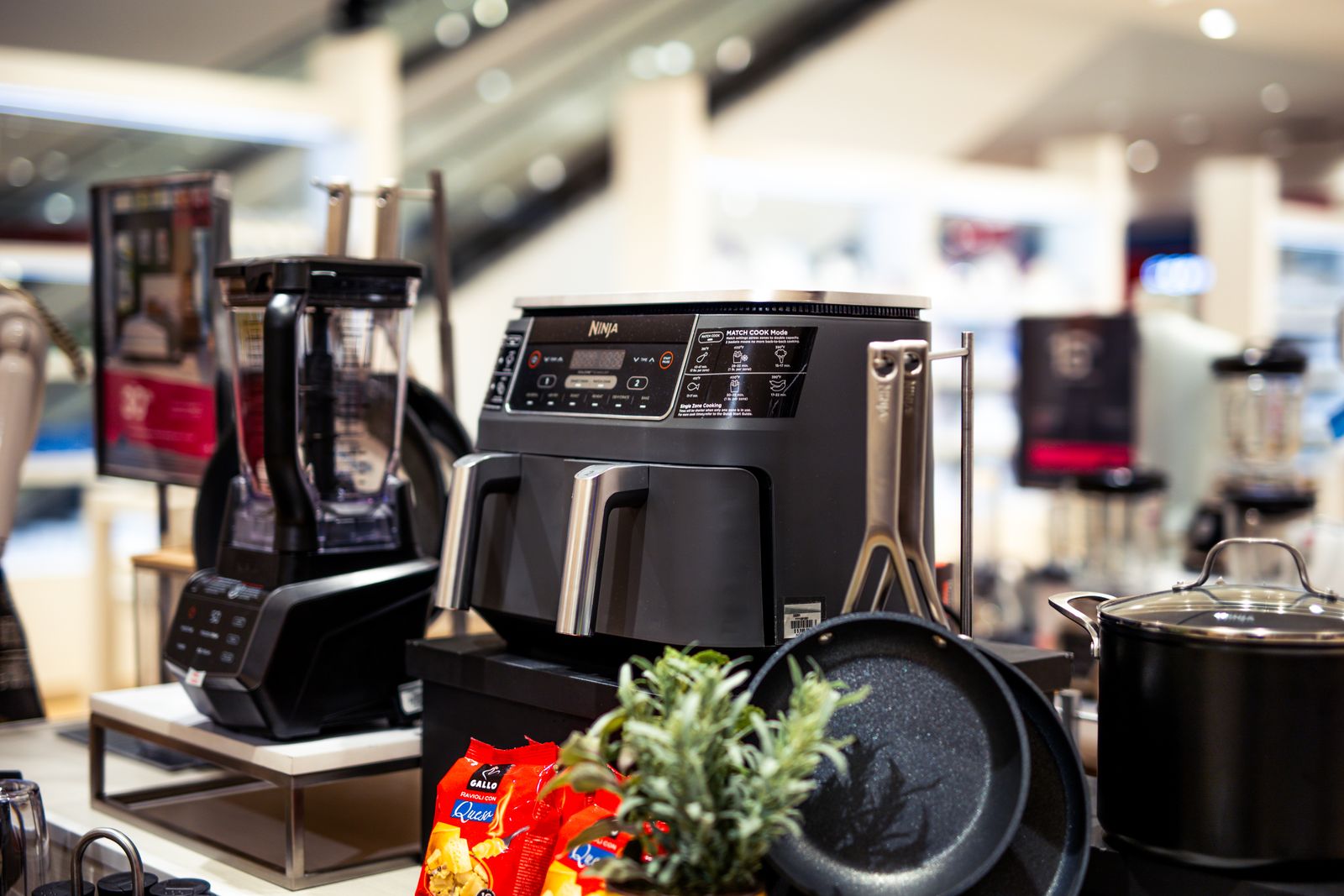
Home appliances, dense kitchenware and fragile home goods need separate load zones inside the same order.
Mixed household loads are divided by power source, fragility, weight, volume and product regulation before cartons are palletised or arranged in a container.
 REAL CARGO + INDUSTRY CONTEXT
Heavy appliances crush fragile cartons, dense cookware transfers pressure, retail packs are mistaken for export packs and electrical or refrigerant documents arrive late.
Separate powered, dense, bulky and fragile zones; immobilise appliance components; add partitions and edge protection; reinforce master cartons and identify electrical, glass and food-contact SKUs.
Air only urgent compact items; use protected LCL for smaller wholesale loads and FCL when volume allows a safer density and loading plan.
Confirm pallet or floor-loaded receiving, unloading equipment and whether the buyer needs SKU-sorted delivery rather than a mixed container release.
WHAT MAKES THIS CARGO DIFFERENT
The risks to resolve before pickup.
Mixed density causes damage
Heavy cookware should not crush light organisers or fragile glass cartons in a pallet or container.
Electrical and battery details change acceptance
Voltage, plugs, refrigerants, compressors and lithium batteries must be identified before the route and destination eligibility are confirmed.
Bamboo and wood require accurate material review
Natural materials, solid-wood packing and destination biosecurity rules should be checked before shipment.
WWJ PLANNING METHOD
How the shipment should be built.
The exact carrier, service and customs scope are confirmed only after the real product, packing and destination are reviewed.
Sort by power, material and fragility
Separate appliances, furniture, glass, ceramic, metal, plastics and natural materials before consolidation.
Review inner and master packing
Check partitions, edge protection, carton drop risk and stacking strength.
Build a safe pallet or container plan
Place dense cargo low and prevent unsupported pressure on fragile or low-density cartons.
Confirm destination product documents
The importer verifies electrical, refrigerant, food-contact and material requirements before export.
TRANSPORT FIT
Compare routes after the cargo is classified.
ModeBest fitWatch carefully
Air freightSamples and compact, higher-margin launchesVolumetric weight and fragile handling
Ocean LCLMixed cartons and palletised wholesale ordersMultiple handovers and crush risk
Ocean FCLLarge appliance and mixed home-living collectionsWeight distribution, stackability and loading sequence
PACKING
Protect the freight.
- Use dividers and movement control for glass and ceramics.
- Keep heavy cookware below light or fragile cartons.
- Protect retail packaging from straps, pallet edges and moisture.
DOCUMENTS
Make the cargo clear.
- Accurate material descriptions
- Electrical, refrigerant, battery or food-contact documents required by the importer
- Wood and bamboo declarations where relevant
FIRST QUOTE
Send these details.
- Product mix and materials
- Fragile-item percentage
- Heaviest and largest cartons
- Electrical, battery, refrigerant or food-contact status
- Delivery address and unloading access
COMMON QUESTIONS
Questions buyers ask before this cargo moves.
Can glassware and cookware share one shipment?
Yes, if the packing and load plan keep dense metal goods from transferring pressure to fragile cartons.
Does WWJ certify food-contact products?
No. The manufacturer and importer are responsible for the required product tests and market compliance. WWJ can request and organise the documents for freight review.
Can several home-goods suppliers use one China warehouse?
Yes. Consolidation works best when materials, carton sizes, weights and fragile items are identified before the final load is built.
REVIEW THE REAL CARGO
Send the product and packing details before choosing the route.
A product photo, supplier document or preliminary packing list is enough to start. Final acceptance and cost depend on the verified cargo and destination.
Request a cargo review