A production or processing machine with control cabinet, spare parts and tooling moving from a Chinese factory to an overseas workshop.
International Freight
Ocean FreightAir FreightFCL & LCL ShippingSamples & Small ShipmentsInternational ExpressChina Origin Services
Factory PickupSupplier CoordinationWarehouse ConsolidationCargo MeasurementExport Packing & CratingDestination Services
Export Customs DeclarationImport Customs ClearanceDDP Door-to-Door ShippingLast-mile DeliveryRequest a Freight Quote
INDUSTRIAL CARGO LOGISTICS
Move machinery with the weight, centre of gravity, fluids and unloading plan known before pickup.
Industrial equipment needs more than a cubic-metre estimate. Safe transport starts with verified packed dimensions, centre of gravity, lifting points, power configuration, residues, loose accessories and the destination installation environment.
WHO THIS IS FOR
A solution built around the cargo, not a generic rate card.
For factories, contractors, distributors and project buyers importing machines, production equipment, power tools, moulds and industrial components from China.
01Production and packaging machinery02Power tools and workshop equipment03Moulds, dies and metal components04Replacement and maintenance parts
TYPICAL MACHINERY EXPORT BUILD
The machine base, lifting points and centre of gravity matter more than the brochure dimensions.
Industrial machinery often arrives with a main unit, control cabinet, tools, loose accessories and fluids or lubricants from testing. The export package and load plan have to be designed around the real operating weight and geometry.
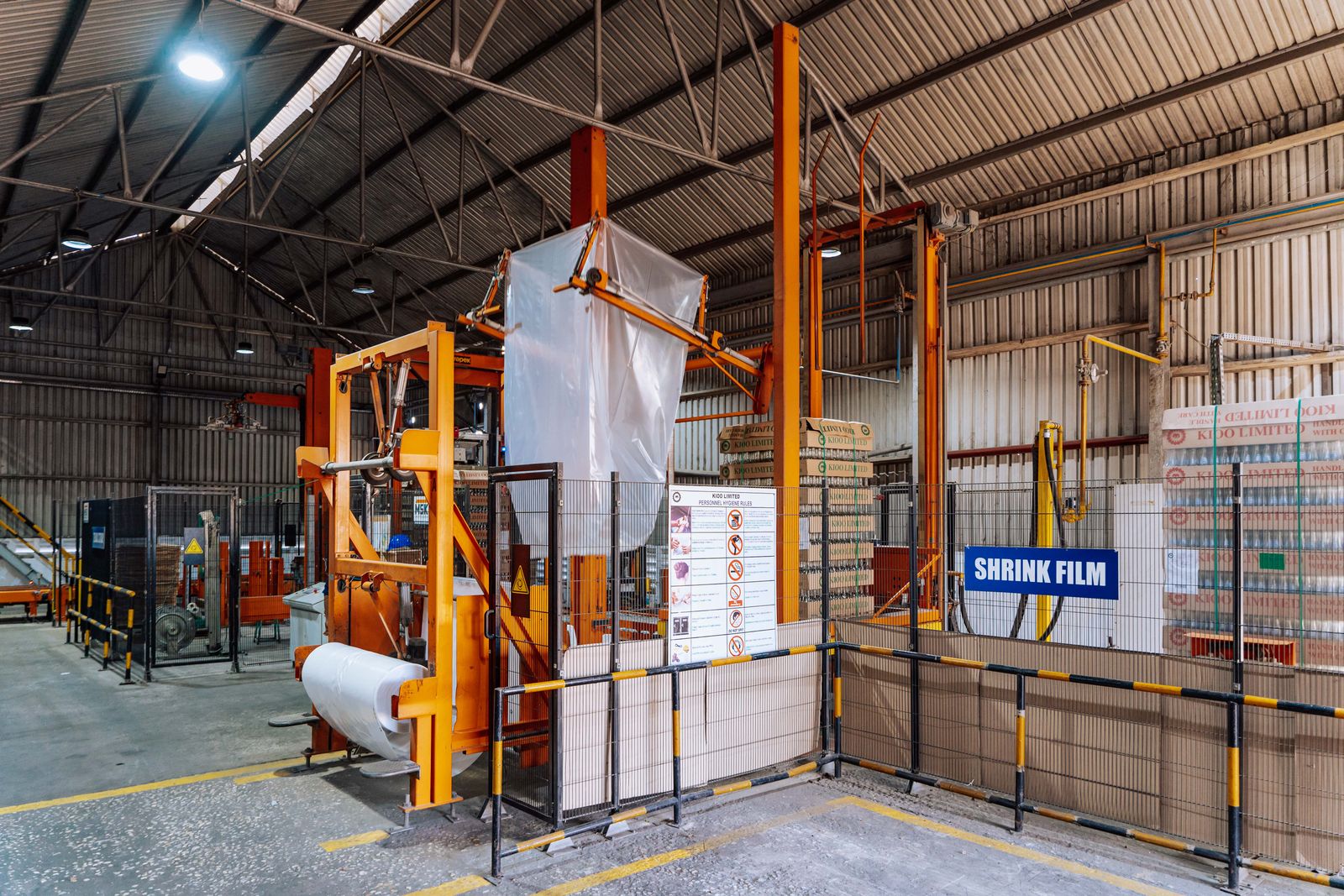
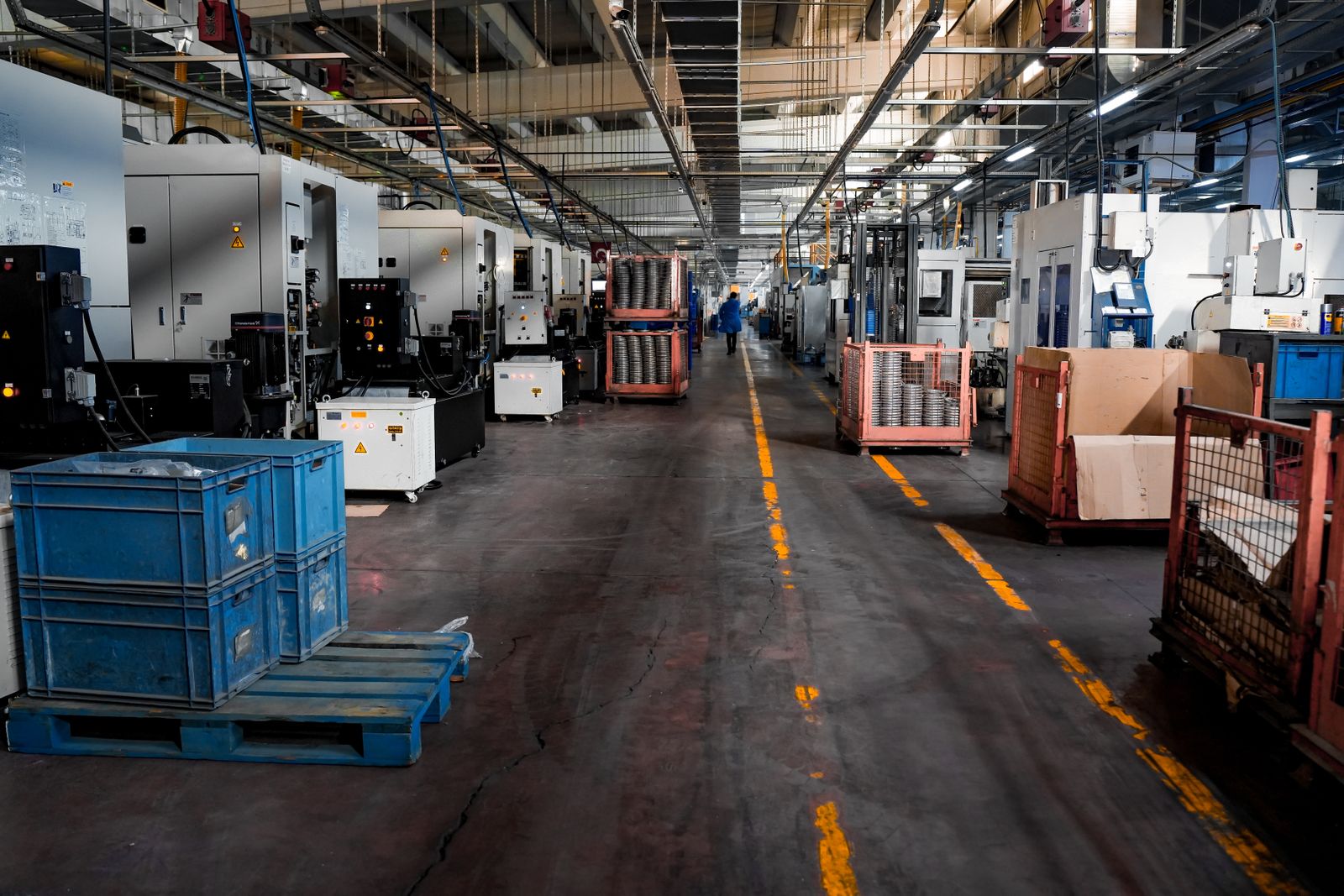 REAL CARGO + INDUSTRY CONTEXT
Unrecorded fluids, unsupported moving parts, exposed machined surfaces, a high centre of gravity and unknown lifting points can cause both carrier rejection and physical damage.
Secure moving assemblies, drain or declare residues, use VCI or corrosion protection, moisture barrier and desiccant where needed, bolt the machine to a load-bearing base, then block, brace and mark lifting and centre-of-gravity points.
Choose FCL, open-top, flat-rack or breakbulk only after packed size and weight are confirmed. Build the lashing and lifting method into the booking rather than improvising at the port.
Confirm crane or forklift capacity, door and floor clearances, appointment, unloading contractor and whether the consignee can receive each crate in the planned sequence.
WHAT MAKES THIS CARGO DIFFERENT
The risks to resolve before pickup.
Catalogue dimensions are not shipping dimensions
The quote must use the final crate, skid and protrusion measurements after accessories are packed.
Fluids and stored energy matter
Oil, coolant, hydraulic pressure, gas cylinders and batteries need disclosure and preparation.
A machine can arrive but still be undeliverable
Dock height, forklift capacity, crane access, doorway size and appointment rules must match the packed unit.
WWJ PLANNING METHOD
How the shipment should be built.
The exact carrier, service and customs scope are confirmed only after the real product, packing and destination are reviewed.
Create a machine data sheet
Confirm function, value, power, packed dimensions, gross weight, centre of gravity and lifting points.
Prepare for export
Drain or secure fluids, immobilise moving parts, protect controls and pack loose accessories separately.
Engineer the packing and route
Choose skid, crate, container or special equipment around weight, dimensions and handling.
Plan unloading before departure
Confirm dock, forklift, crane, rigging and delivery appointment requirements.
TRANSPORT FIT
Compare routes after the cargo is classified.
ModeBest fitWatch carefully
Air freightUrgent parts and compact high-value equipmentWeight, fluids and battery acceptance
Ocean LCLCrated machines within handling limitsHeavy-item charges and additional handovers
FCL / special equipmentLarge, heavy or project machineryLoad securement, equipment selection and unloading
PACKING
Protect the freight.
- Immobilise moving parts and protect control panels and exposed components.
- Use a liftable skid or crate designed for the verified gross weight.
- Mark centre of gravity, sling points, gross weight and package orientation.
DOCUMENTS
Make the cargo clear.
- Machine function, model, serial and value
- Fluid, battery and stored-energy declaration
- Destination technical and import documents confirmed by the buyer
FIRST QUOTE
Send these details.
- Machine function and model
- Final packed dimensions and gross weight
- Centre of gravity and lifting points
- Fluids, batteries or gas
- Destination unloading and doorway limits
COMMON QUESTIONS
Questions buyers ask before this cargo moves.
Can WWJ collect machinery directly from a factory?
Yes, after the packed dimensions, weight, pickup equipment and loading conditions are confirmed.
Does machinery need a wooden crate?
Often, but the design depends on weight, shape, sensitivity and route. Some robust equipment can move on an engineered skid with suitable protection.
What causes the most machinery-delivery problems?
Unverified packed size, missing lifting points, fluid residue and a destination without the equipment or access to unload the unit.
REVIEW THE REAL CARGO
Send the product and packing details before choosing the route.
A product photo, supplier document or preliminary packing list is enough to start. Final acceptance and cost depend on the verified cargo and destination.
Request a cargo review